

How to Create an Event Photography Shot List
Without Turning Your Event into a Checklist Parade
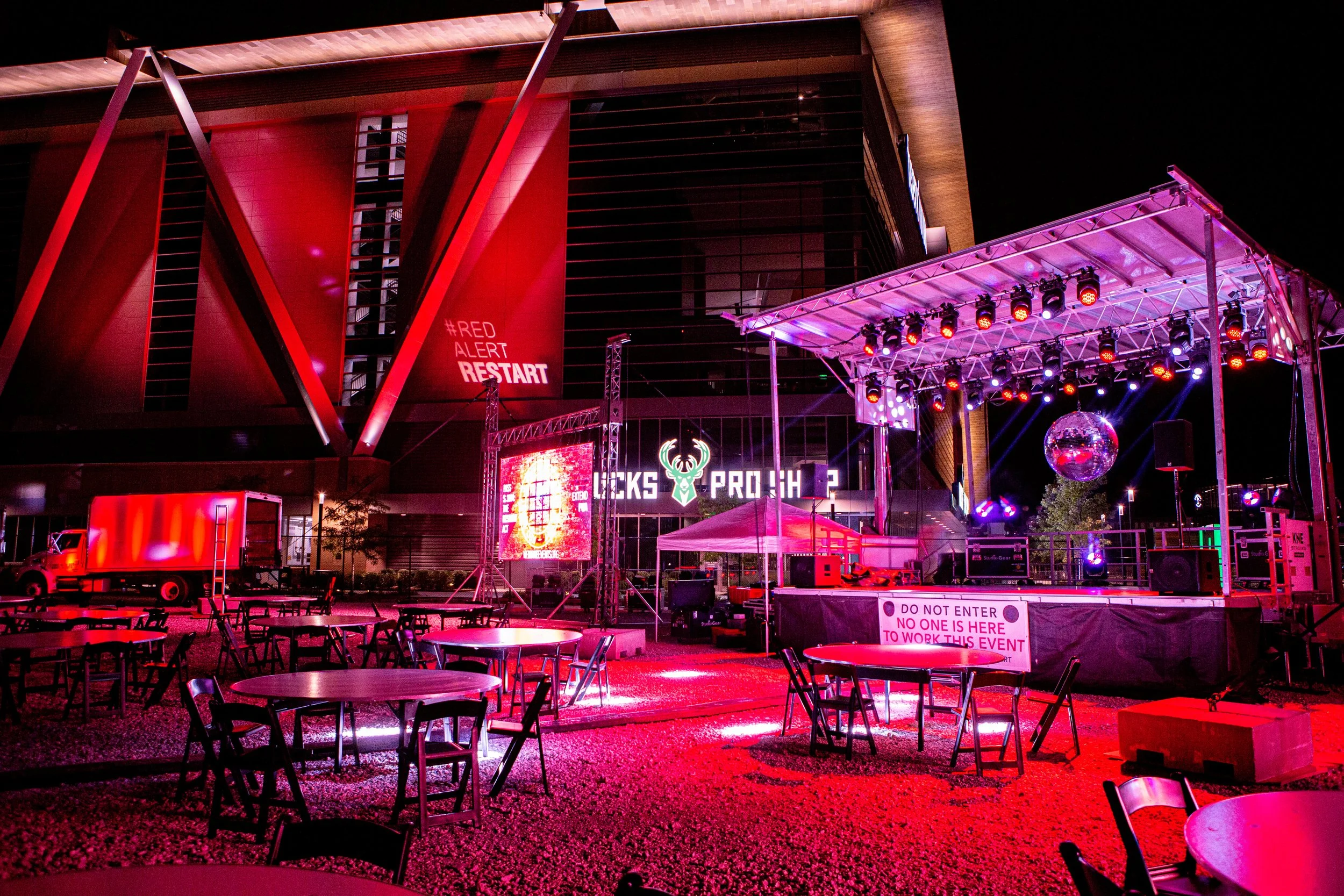
If you’ve ever wrapped up an incredible event only to realize you don’t have a single photo of the keynote speaker, your beautifully branded welcome table, or the moment your team high-fived after a successful launch — welcome. You’re in good company.
A great event photography shot list isn’t about micromanaging your photographer. It’s about making sure the heart of your event gets documented, not just the decor.
Let’s build one that works for your next Milwaukee or Wisconsin conference, corporate gathering, or community event — and actually helps your photographer tell your story instead of chase a clipboard.
Quick Takeaways (For the Busy Event Planner Brain)
Start with purpose, not poses
Prioritize people + branding + energy
Flag your non-negotiables
Leave space for unexpected magic
Share the list early (your photographer will love you forever for this)
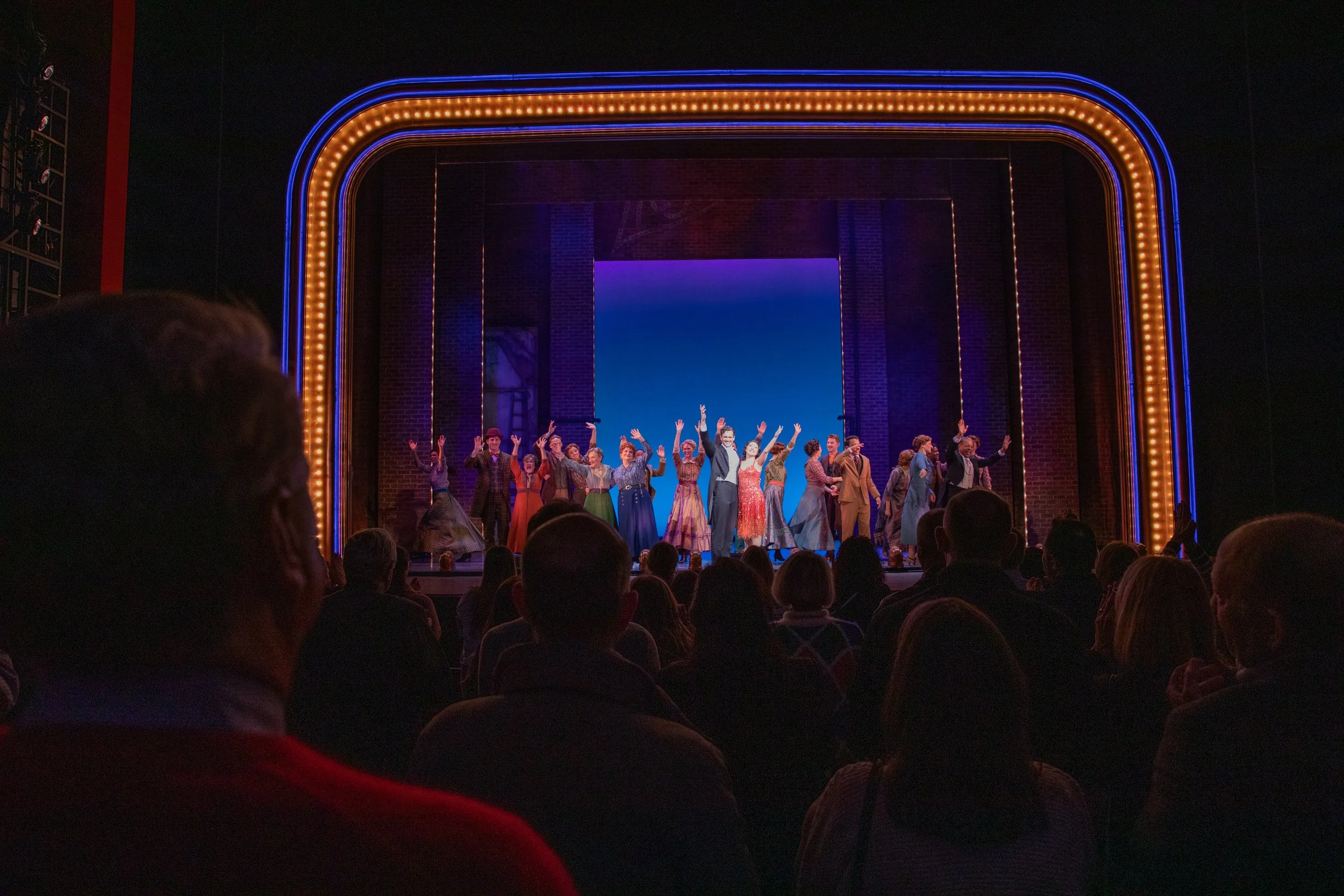
Step One: Ask the Big Question First
“What are these photos actually for?”
Before you list a single shot, figure out where these images will live.
Are they going on:
Your website homepage?
LinkedIn and social media?
Marketing materials for next year’s conference?
Internal team culture decks?
Press and media outreach?
This matters because a shot list for branding and marketing looks very different than one for internal documentation. One needs clean, polished, wide shots. The other needs connection, emotion, and moments that feel human.
If you’re working with a Milwaukee event photographer who knows the local business and nonprofit landscape, they can help shape this part with you.
Step Two: Lock in Your “Must-Have” Moments
These are your non-negotiables — the shots you’d be genuinely sad to miss.
Common Must-Haves for Events & Conferences
Welcome signage and exterior of the venue
Registration or check-in area
Opening remarks or keynote speaker
Panel discussions or breakout sessions
Award presentations or recognitions
Group photos of leadership or key teams
Sponsors and vendor booths
Closing moments or crowd shots
Pro tip: Don’t make this list a mile long. Pick what truly matters. Five meaningful moments beat twenty forgettable ones.
Step Three: Capture the Brand (Not Just the Room)
Your branding didn’t happen by accident — let’s photograph it like it matters.
Branding Shots to Include
Step-and-repeat or logo walls
Branded swag, programs, or signage
Name badges and lanyards in action
Stage design and screens
Sponsor displays
Custom cocktails, coffee bars, or food signage
These are gold for future marketing. Especially if you host recurring events in Milwaukee or across Wisconsin and want visual consistency year after year.
Step Four: Prioritize People Being People
This is where the real magic lives.
Candid Moments That Tell the Story
Attendees networking and laughing
Speakers connecting with guests after sessions
Team members behind the scenes
Volunteers in action
Natural reactions during key moments
These photos answer the unspoken question future attendees always ask:
“What does it actually feel like to be there?”
Step Five: Build a Simple, Photographer-Friendly Format
You don’t need a 12-page document. A clean, one-page list works beautifully.
Sample Shot List Layout
Event Details:
Event Name:
Date & Location:
Point of Contact:
Event Timeline Highlights:
Must-Have Shots:
Sample ideas:
People laughing and smiling
Award Winners
Branding & Details:
Sample ideas:
All signage
People or movement in front of signage
People & Atmosphere:
Sample Ideas:
People clapping and enjoying themselves
A crowd shot of Donald Driver in the audience
Special Notes:
VIPs to prioritize
Speakers to flag
Sensitive moments to avoid photographing
This gives your photographer clarity without boxing them in creatively.
Step Six: Share It Early (This Is a Big Deal)
Send your shot list at least one week before the event.
This allows your photographer to:
Build a mental timeline
Scout the venue if needed
Plan lighting and positioning
Coordinate with your event team
When everyone’s aligned, the day flows better. The photos feel intentional, not reactive.
Step Seven: Leave Room for the Unexpected
Some of the best photos are never on the list.
A speaker tearing up.
A spontaneous standing ovation.
A quiet moment between coworkers before a big presentation.
A good Milwaukee event photographer will always keep an eye out for these — as long as they’re not sprinting around trying to check off 47 bullet points.
Bonus: Wisconsin-Specific Planning Tips
If your event is local, think about:
Seasonal lighting (hello, winter conferences and early sunsets)
Outdoor spaces in spring and summer
Venue flow in historic Milwaukee buildings
Parking and load-in timing for photographers
Local knowledge makes a real difference in how smooth the coverage feels.
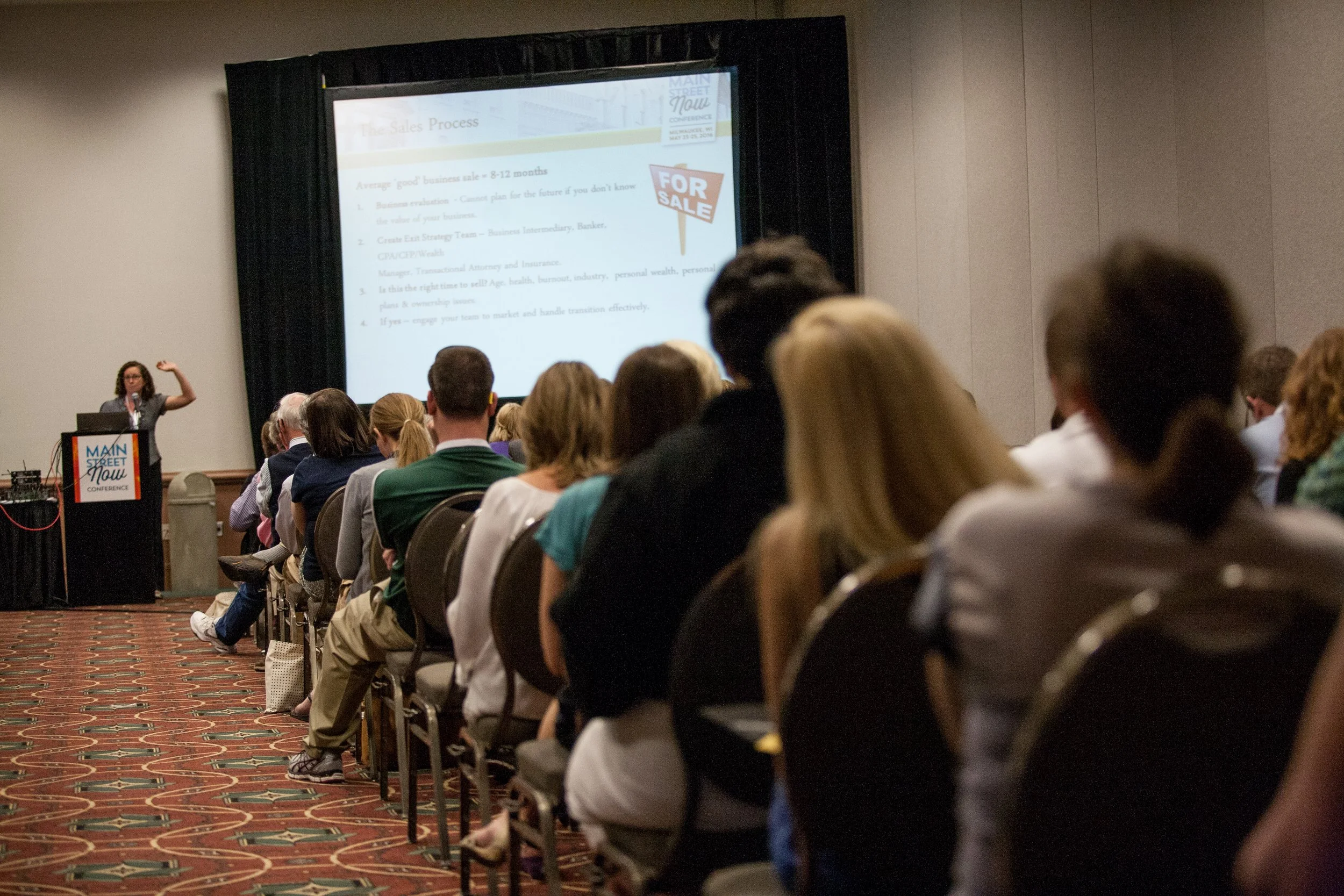
Why a Thoughtful Shot List Changes Everything
When you take time to plan your event photography, you’re not just getting photos.
You’re building:
A visual history of your brand
Trust with your audience
Marketing assets that actually reflect your values
A record of the people who make your work matter
That’s bigger than a checklist. That’s storytelling.
Final Thought from Behind the Camera
The best events don’t feel staged — and neither should your photos.
A great shot list gives your photographer direction, but a great partnership gives your event a visual heartbeat. If you’re planning something in Milwaukee or anywhere in Wisconsin, let’s make sure your photos feel like the experience, not just proof it happened.