

How Many Hours of Wedding Photography Coverage Do You Really Need
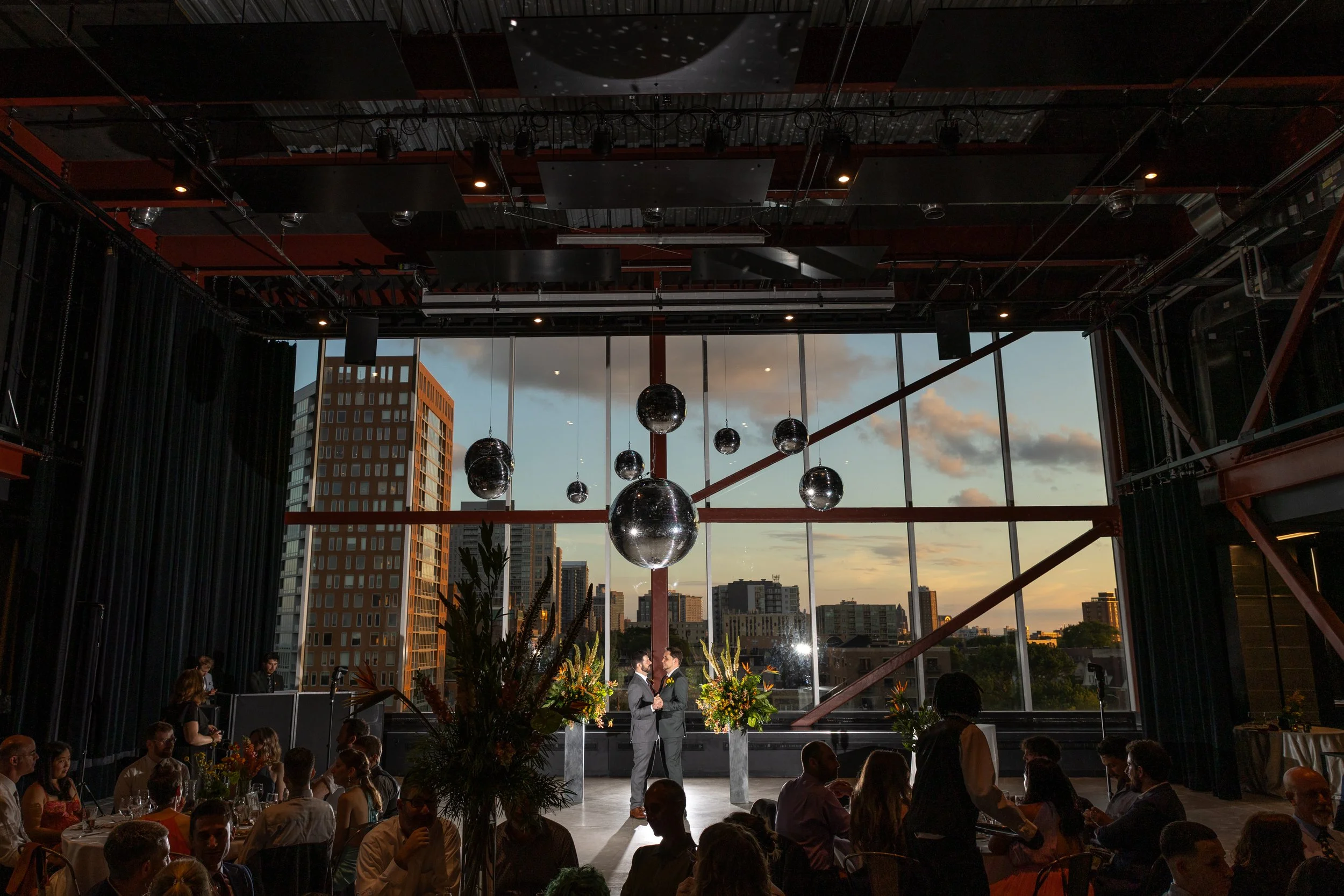
When you start planning your Milwaukee wedding photography timeline, the question of how many hours you need eventually pops up. And it makes sense. You want every moment captured without paying for time you don’t actually need.
We’re going to walk through how to think about your coverage from a practical place. We’ll factor in the time of year you’re saying “I do,” how sunset affects your lighting, why first looks matter, and how family and wedding party photos play into your schedule. We’ll even include sample schedules you can adjust to fit your day.
This feels less like guessing and more like planning with confidence.
Why Timing Matters in Milwaukee
Milwaukee has beautiful light, but it changes A LOT from winter to summer.
In June, golden hour can start well after 8pm. In December, it might be gone by 4:15pm. That shift matters because wedding portraits and couple photos look best when the light is soft and warm.
So asking “How many hours do we need?” without thinking about when the sun goes down is like asking “How much cake should we order?” without knowing how many guests are eating.
Let’s break this down by season.
Winter Weddings (December through February)
Sunset happens early. By 4:30pm you’re losing daylight.
If you’re planning a winter wedding:
You’ll likely want most portraits before the ceremony.
A first look becomes almost a necessity if you want outdoor portraits in natural light.
Plan for 8-10 hours of coverage if your ceremony begins after 3pm.
Why? Light pulls out quickly and you’ll be inside more than outside.
Spring Weddings (March through May)
Daylight starts making a comeback. In late May, sunset can be around 8pm.
If your ceremony is late afternoon or early evening:
You can fit more portraits after the ceremony.
You still may want a first look so you have options with softer light.
5-8 hours can work for daytime / early afternoon weddings. 9-11 hours if your ceremony is closer to sunset.
Summer Weddings (June through August)
Late sunsets are a photographer’s friend. With golden hour stretching past 8pm in June:
You can plan ceremony, family photos, and portraits after the ceremony without feeling rushed.
Most couples still love a first look to capture relaxed portraits early in the day.
8-10 hours covers most summer weddings comfortably.
Fall Weddings (September through November)
Sunset creeps earlier again. By late November it’s under 5pm.
Early ceremonies might still work with just one continuous block of coverage.
Later ceremonies benefit from a first look.
8-10 hours of coverage gives you wiggle room for details, family photos, and portraits without feeling rushed.
How Wedding Photography Time Breaks Down
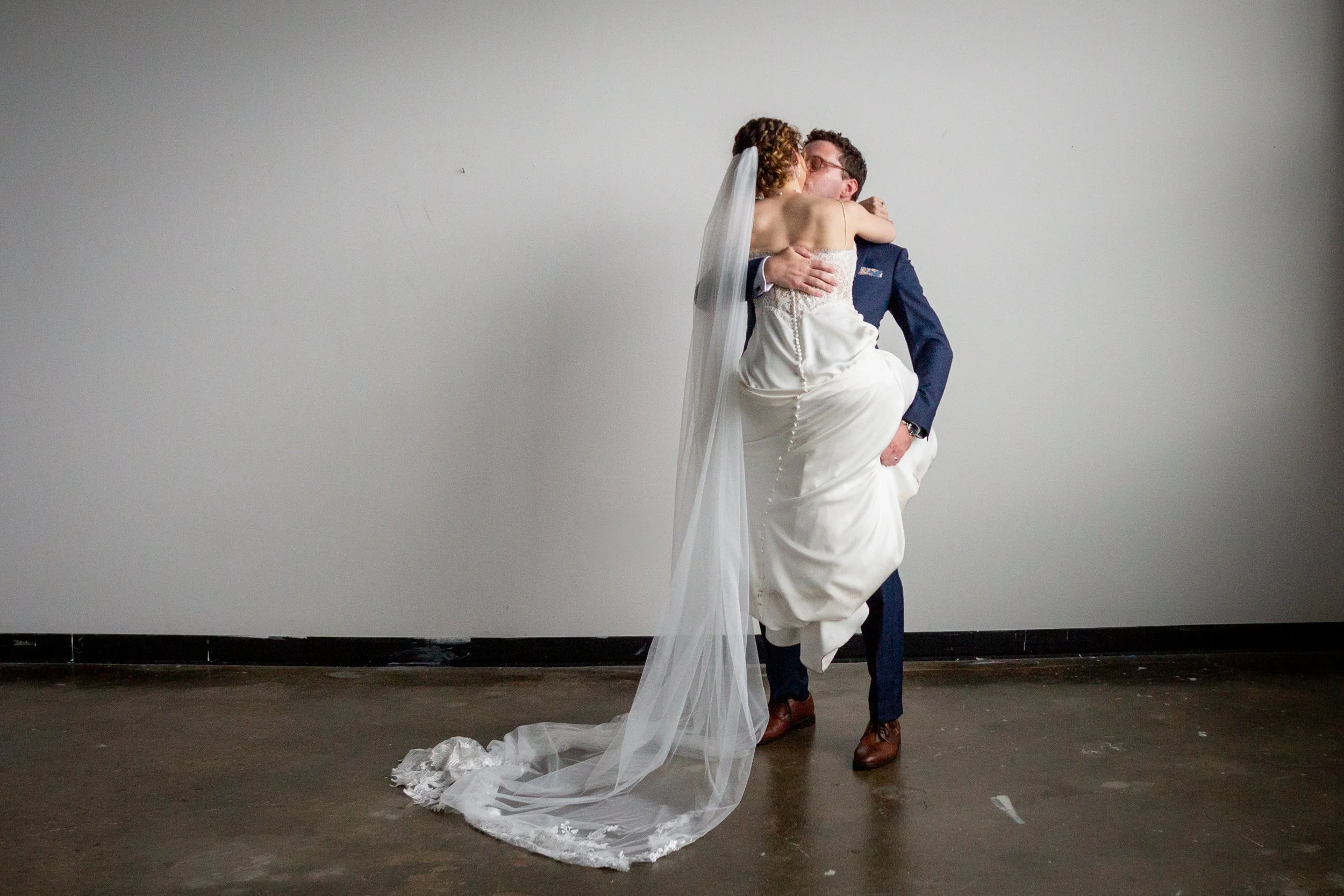
Here’s how time usually gets spent during your wedding day. This helps you estimate coverage that makes sense for you.
Getting Ready: 60–90 minutes
Detail photos, hair and makeup, candids with your people.First Look (optional but often recommended): 20–40 minutes
Intimate moment, photos of you together before the ceremony.Couple Portraits: 30–60 minutes
You two alone. Timing depends on light and travel.Family Photos: 20–40 minutes
Organized, but easy to overbook if you don’t plan ahead.Wedding Party Photos: 20–40 minutes
Fun with your crew, but it adds up.Ceremony: 20–40 minutes
Depending on your officiant, traditions, blessings, readings.Cocktail Hour: Photographer often covers candids, details: 30–60 minutes
This is often included, but optional depending on coverage.Reception: 2–4 hours
First dances, toasts, cake cutting, dancing.
You can see how this adds up quickly. If you skip the first look, you might be trying to fit couple portraits after the ceremony in fading light.
First Look or No First Look
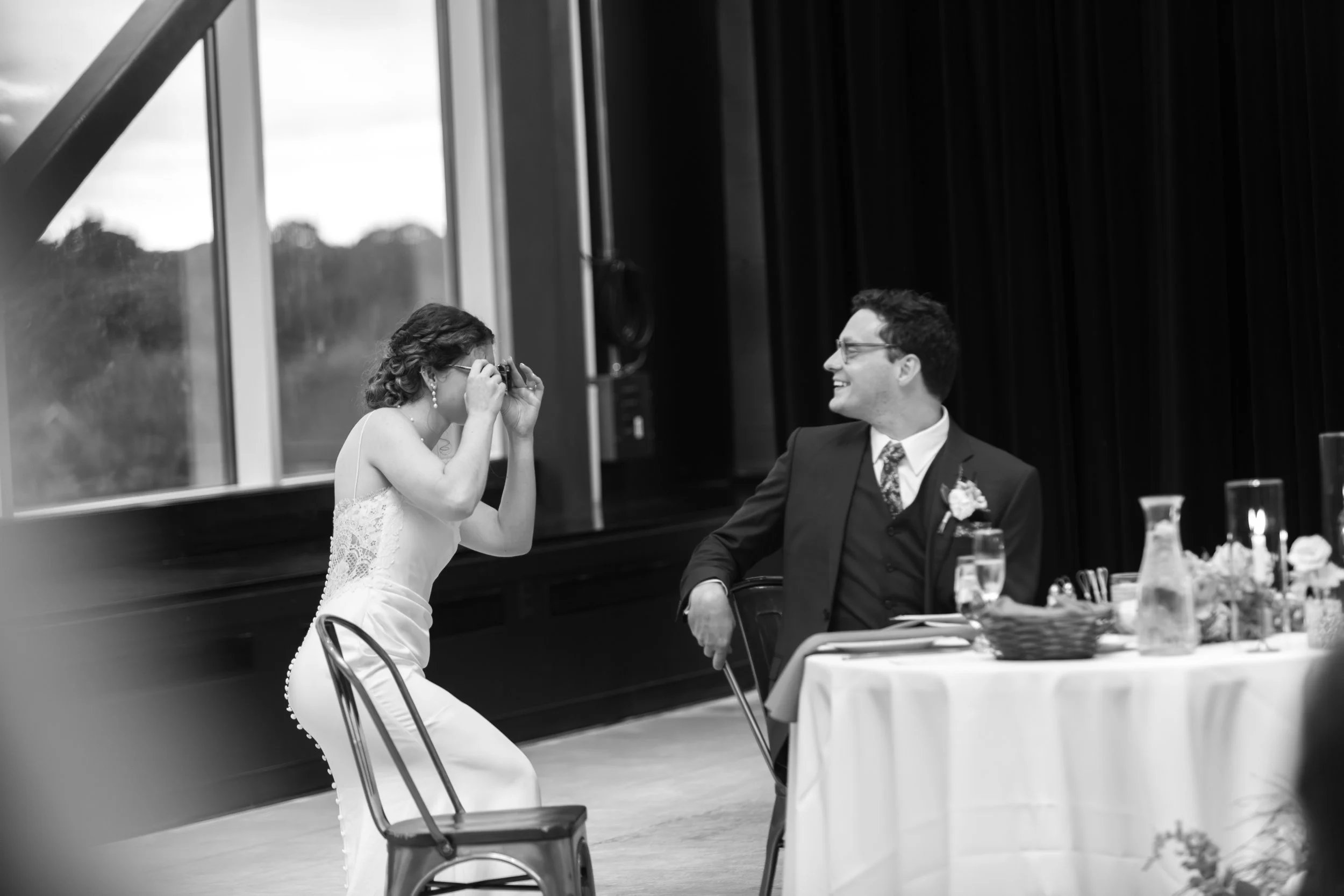
A lot of couples don’t know how much a first look affects their day.
Here’s what it does for you:
Earlier portraits in better light
Especially helpful in winter and fall.More time with your guests
You’re done with formal photos before the party, so you can actually enjoy cocktail hour.Less pressure after the ceremony
No rushing through family photos to race the sunset.
If you want a lot of couple portraits across different areas of Milwaukee (think: Cathedral Square, Lake Michigan shoreline, Brady Street murals) a first look lets you spread that time out instead of cramming it all in at the end.
Sample Wedding Photography Schedules
Winter Wedding, Ceremony at 3pm, Family Photos After
12:00 Photographer arrives for getting ready
1:30 First look & couple portraits
2:30 Family photos
3:00 Ceremony
3:40 Wedding party portraits
4:20 Reception intro + candids
5:00 Dinner
6:00 Toasts & dancing
Total coverage: 8 hours
Spring Wedding, Ceremony at 5pm
10:30 Photographer arrives
11:30 Getting ready photos
1:00 First look & couple portraits
2:00 Family & wedding party photos
3:30 Break / travel to ceremony site
5:00 Ceremony
5:40 Golden hour couple portraits
6:30 Reception + candids
8:30 Dancing & exit
Total coverage: 10 hours
Summer Wedding, Ceremony at 6:30pm
1:30 Photographer arrives
2:30 Getting ready
4:00 First look & portraits
5:00 Family photos
5:40 Wedding party photos
6:30 Ceremony
7:15 Sunset portraits
8:00 Reception
10:00 Dancing
Total coverage: 9.5 hours
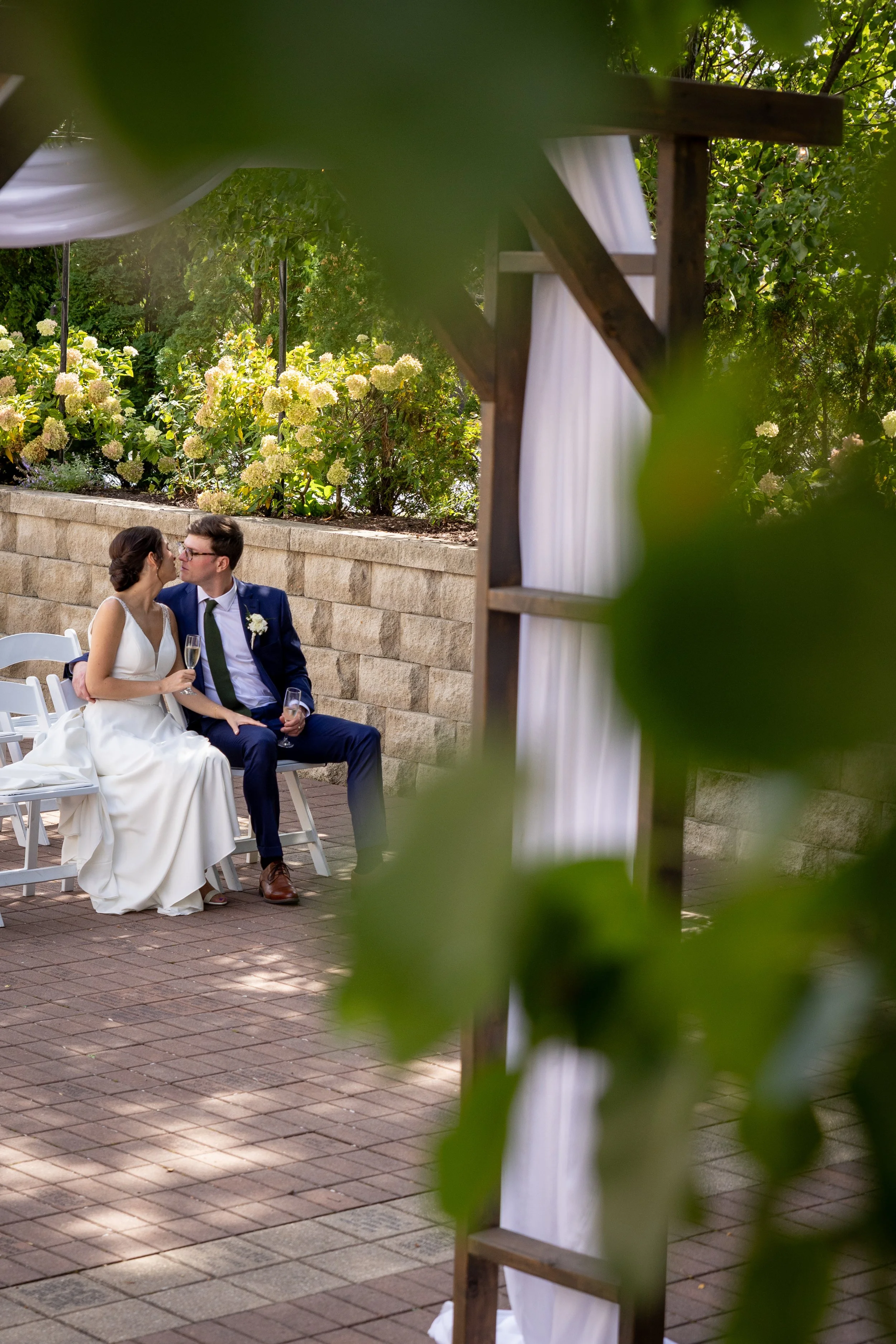
Make Space for Just the Two of You
This is extremely important. Please build it into every timeline!
Your wedding day will be joyful, busy, and beautifully full. You will hug people you have not seen in years. You will answer the same excited question at least fifteen times. You will smile so much your cheeks may need a break.
That energy is part of the magic.
But if you are not intentional, the entire day can fly by without the two of you ever truly being alone together.
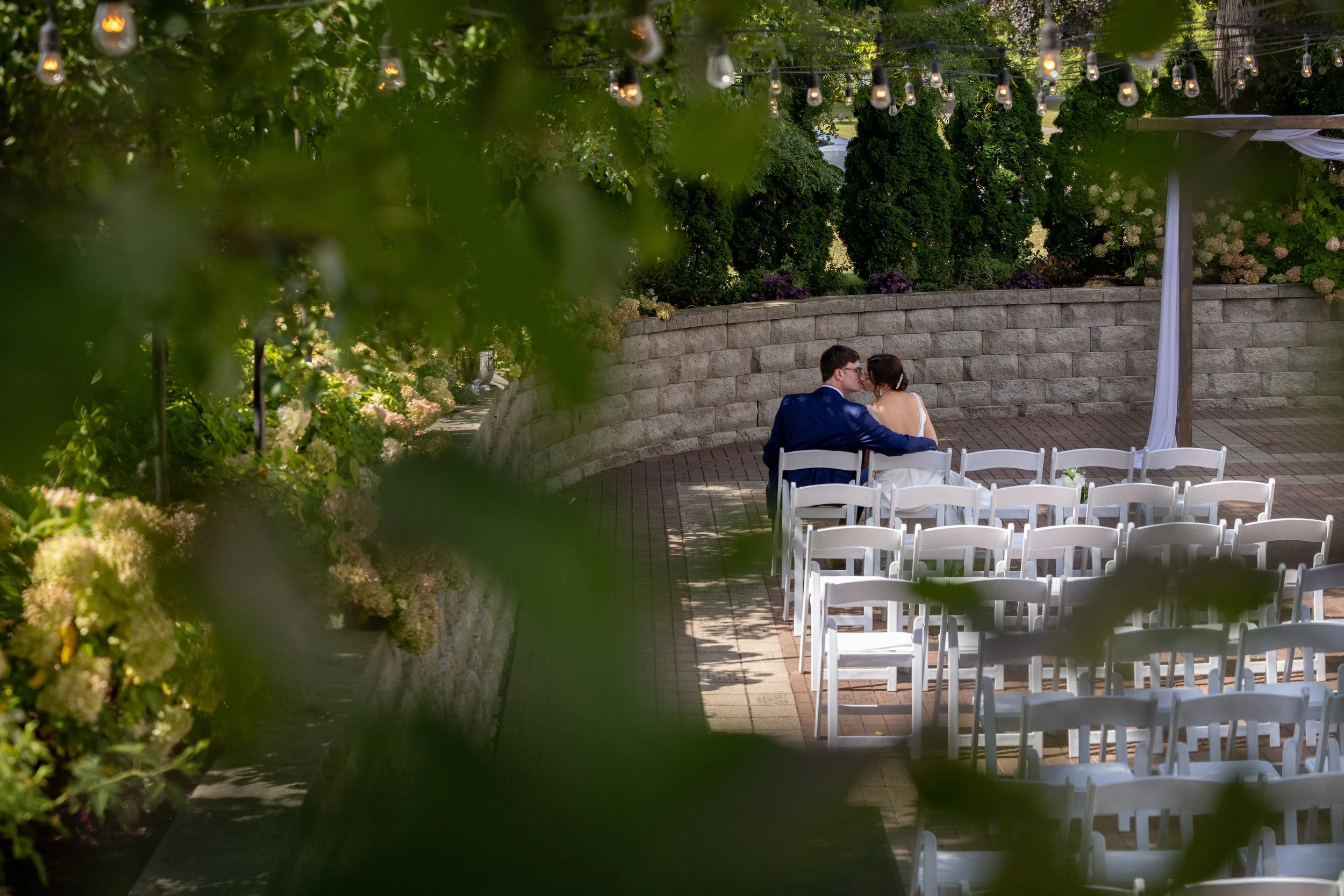
Build in at least ten minutes that belong only to you. Only you, no photographers, no videographers, just the two of you… maybe with a drink or go for a walk, heck make out in the alley for 10 min. I don’t care what you do, but build it into the schedule.
Not for portraits. Not for greeting guests. Not for logistics. Just space to breathe, hold hands, and actually feel what just happened.
A few ideas:
Step into a quiet room right after the ceremony.
Sneak outside during golden hour before heading back to the dance floor.
Sit together with a plate of food before making your reception rounds.
However it fits your timeline, protect the alone time.
Those few minutes will ground you.
You will look at each other and realize this is no longer planning. This is your marriage beginning.
The party will be incredible. The photos will be beautiful. The timeline will move right along.
But that intentional pause together is the part that will stay with you long after the music fades.
Decide Based on Your Priorities
Not every wedding needs the same number of hours. Ask yourself:
Is having portraits in soft light important to you?
If yes, plan earlier coverage and consider a first look.Do you want all your formal group photos taken care of before the party?
That takes time up front.How dark will it be during your reception events?
Early winter weddings may be fully indoors early.
The more moving pieces you have (multiple travel locations, elaborate details, large wedding party) the more coverage you’ll want.
Final Thoughts
Figure out what you want photographed, then back into a timeline. Add a buffer for things that run long. Talk with your photographer about how light changes on your wedding date. Milwaukee in June feels very different from Milwaukee in November when the sun slips behind the horizon early.
Your photographer should help you plan coverage that feels right for your unique day.
When you plan with light, timing, and moments in mind, you don’t just buy hours. You buy peace of mind.
Ready to Build Your Wedding Day Timeline Together?
Here’s the honest truth. There is no one size fits all answer to how many hours of wedding photography you need.
A June wedding at Discovery World looks very different from a November celebration at The Pritzlaff.
A 2pm Catholic ceremony in Wauwatosa is going to flow differently than a 6:30pm lakefront ceremony in Bay View.
And Milwaukee sunsets do not play around. They either linger beautifully… or disappear before you’ve even finished family photos.
That’s why guessing your coverage hours from a package list rarely works.
Instead, we will look at:
• Your ceremony start time
• Your venue locations and travel time
• Sunset on your exact wedding date
• Whether you’re planning a first look
• The size of your family and wedding party
• What moments matter most to you
Then we build a timeline around your priorities.
This is where Lindsay Stayton Photography steps in (in third person of course).
Lindsay has photographed hundreds of weddings across Milwaukee and surrounding areas, and even internationally.
She knows when the light hits just right along Lake Michigan. She knows how quickly November daylight fades. She knows how to design a timeline that protects your portraits and still gets you to cocktail hour while the appetizers are hot.
And yes, she will absolutely remind you that we focus on the positive and do not be negative. She had to. It was right there.
If you’re unsure whether you need 8, 9, 10, or 12 hours of wedding photography coverage, let’s talk it through.
Book a consultation with Lindsay Stayton Photography and she’ll:
• Review your wedding date and venue
• Look at sunset timing for your season
• Map out a custom photography timeline
• Determine exactly how much coverage you actually need
No pressure. Just clarity, confidence, and a plan that fits you.
Click the link below to schedule your consultation and let’s build a wedding day timeline that makes sense for your Milwaukee celebration.
Because when your timeline works, everything else feels easier. And that’s a pretty good place to start.