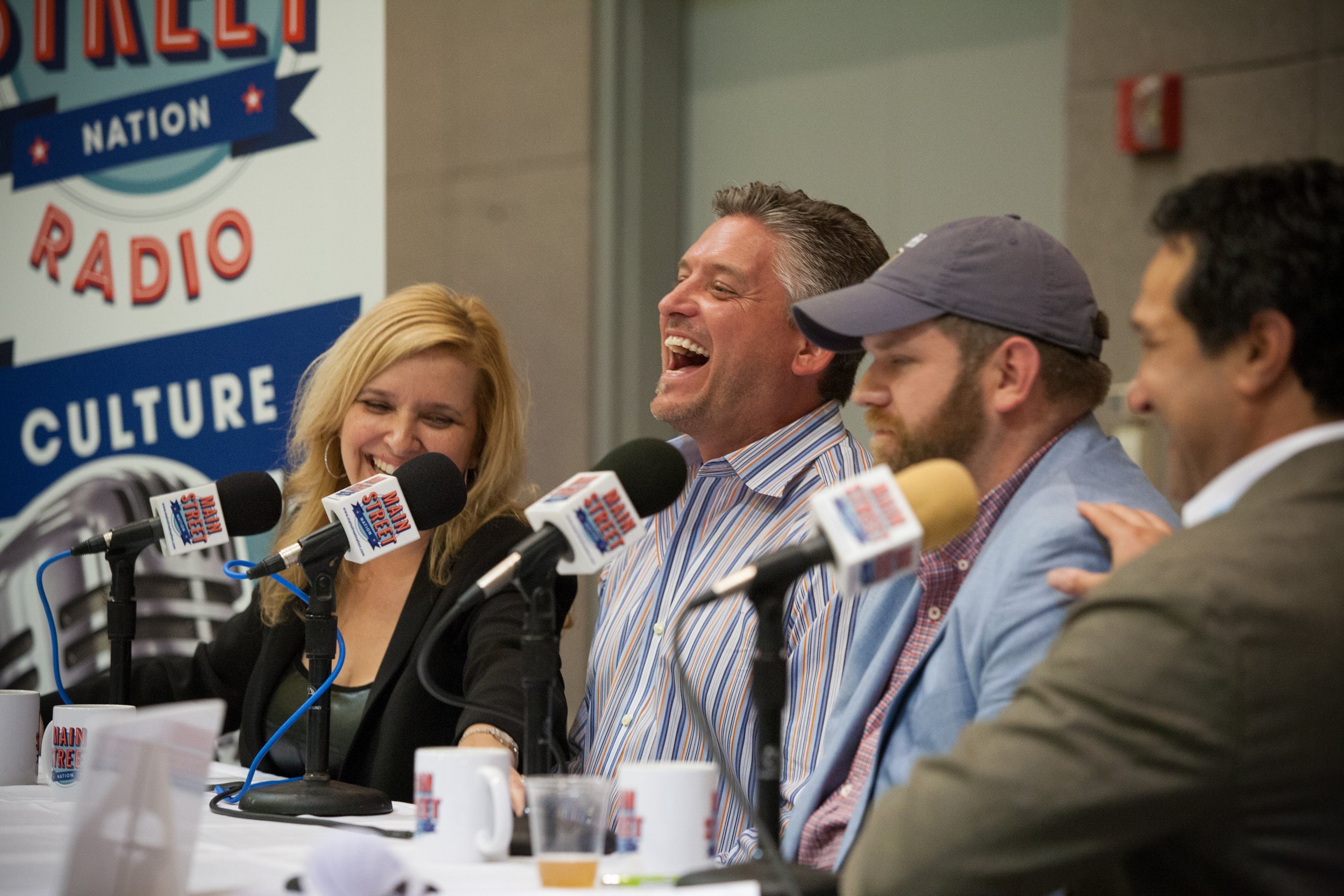

How to Find a Conference and Event Photographer
Tips from an Event and Conference photographer in Milwaukee, Wisconsin
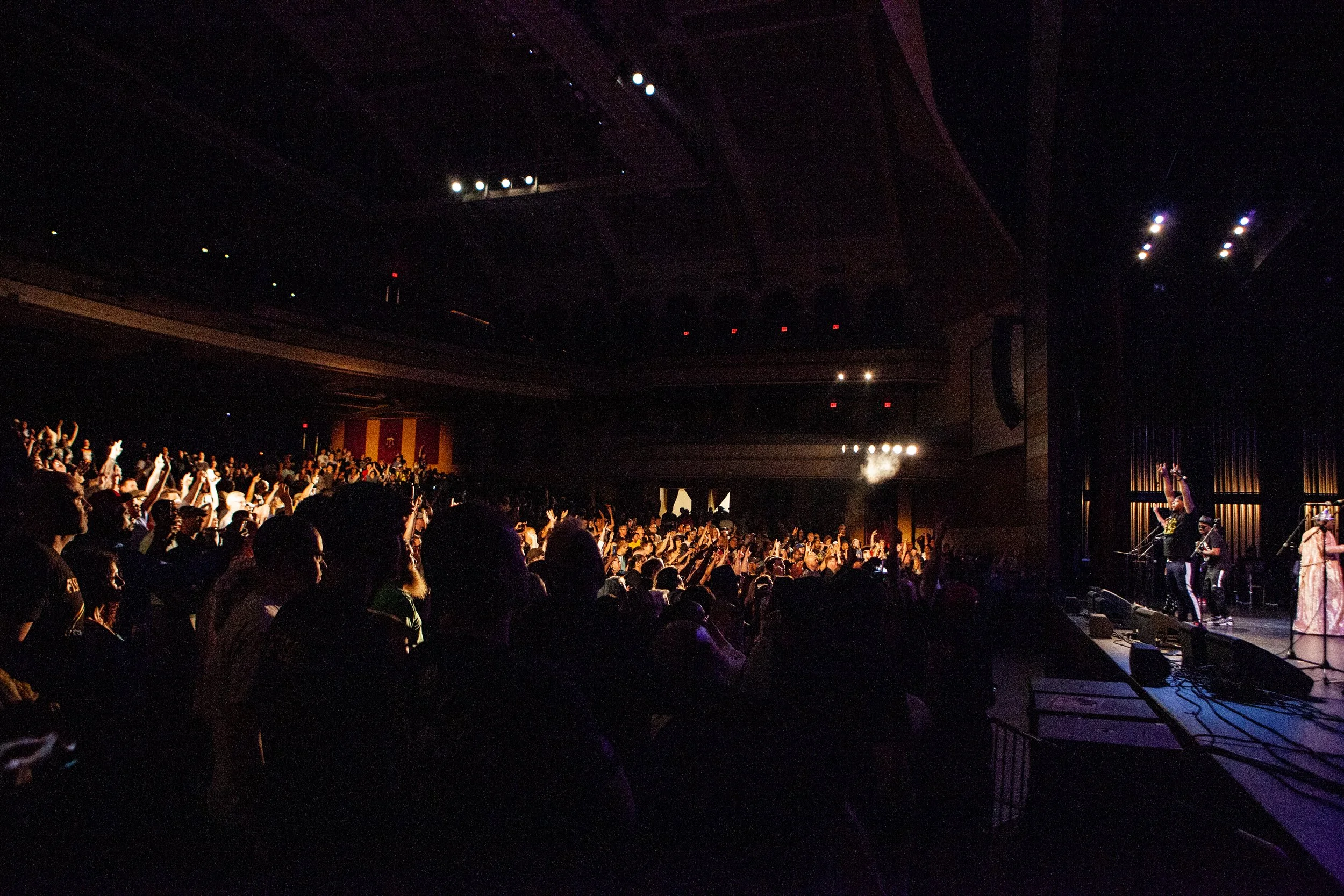
A Note from Behind the Camera
If you’ve planned even one conference, you already know this: you’re not just organizing a schedule. You’re shaping how people experience your brand, your community, and your mission in real time.
Your photographer becomes the historian of that experience. Long after the lanyards are tucked away and the keynote slides are archived, your photos are what future attendees, sponsors, and speakers will see first. Choosing the right one isn’t about finding someone who can “just show up and shoot.” It’s about finding someone who understands how moments, people, and story all work together.
Let’s walk through how to make that choice with clarity and confidence.
1. Start With Your Why (Not Your Shot List)
Before you reach out to photographers, get clear on what these images need to do for you.
Ask yourself:
Are these photos for marketing next year’s conference?
Internal culture and team pride?
Sponsor reports and press coverage?
Social media, website, or print materials?
When you can explain your goals, a strong event photographer can shape their coverage to match. The result isn’t just a folder of images. It’s a visual toolkit you can use all year long.
Quick takeaway: The best conference photography starts with strategy, not a checklist.
2. Look for Conference Experience (Not Just “Event” Experience)
Not all events move the same way. Conferences have their own rhythm:
Fast transitions between sessions
Dimly lit ballrooms and bright expo floors
Key moments that happen once and never again
A photographer who regularly works in conference environments knows how to anticipate those moments instead of reacting to them. They’ll already be in position when the standing ovation happens, when the keynote speaker hits the emotional beat, or when attendees connect in the hallway between sessions.
What to ask:
How many conferences have you photographed in the last year?
Can you show full galleries from similar-sized events?
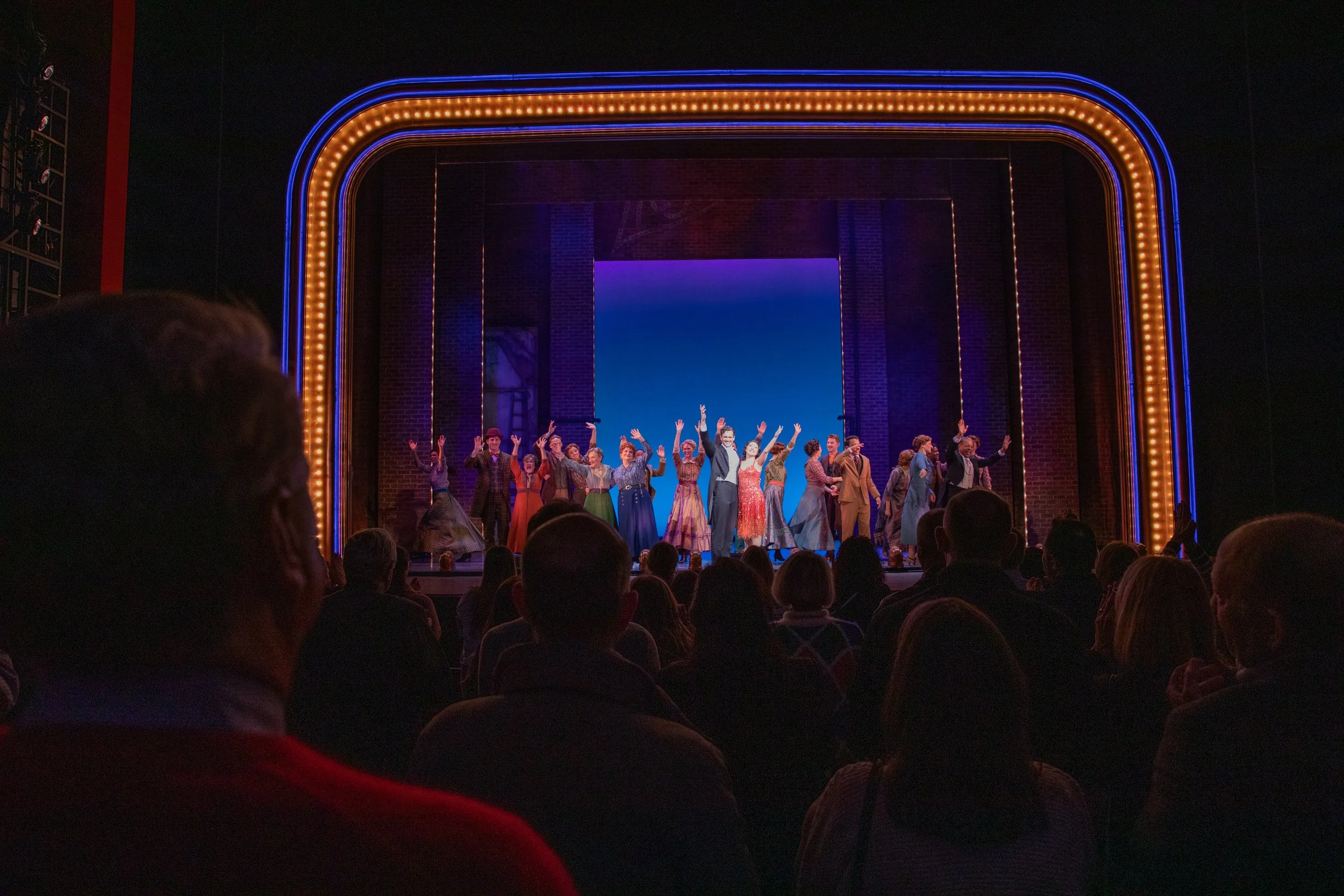
3. Pay Attention to How They Capture People
Your attendees are your brand in motion.
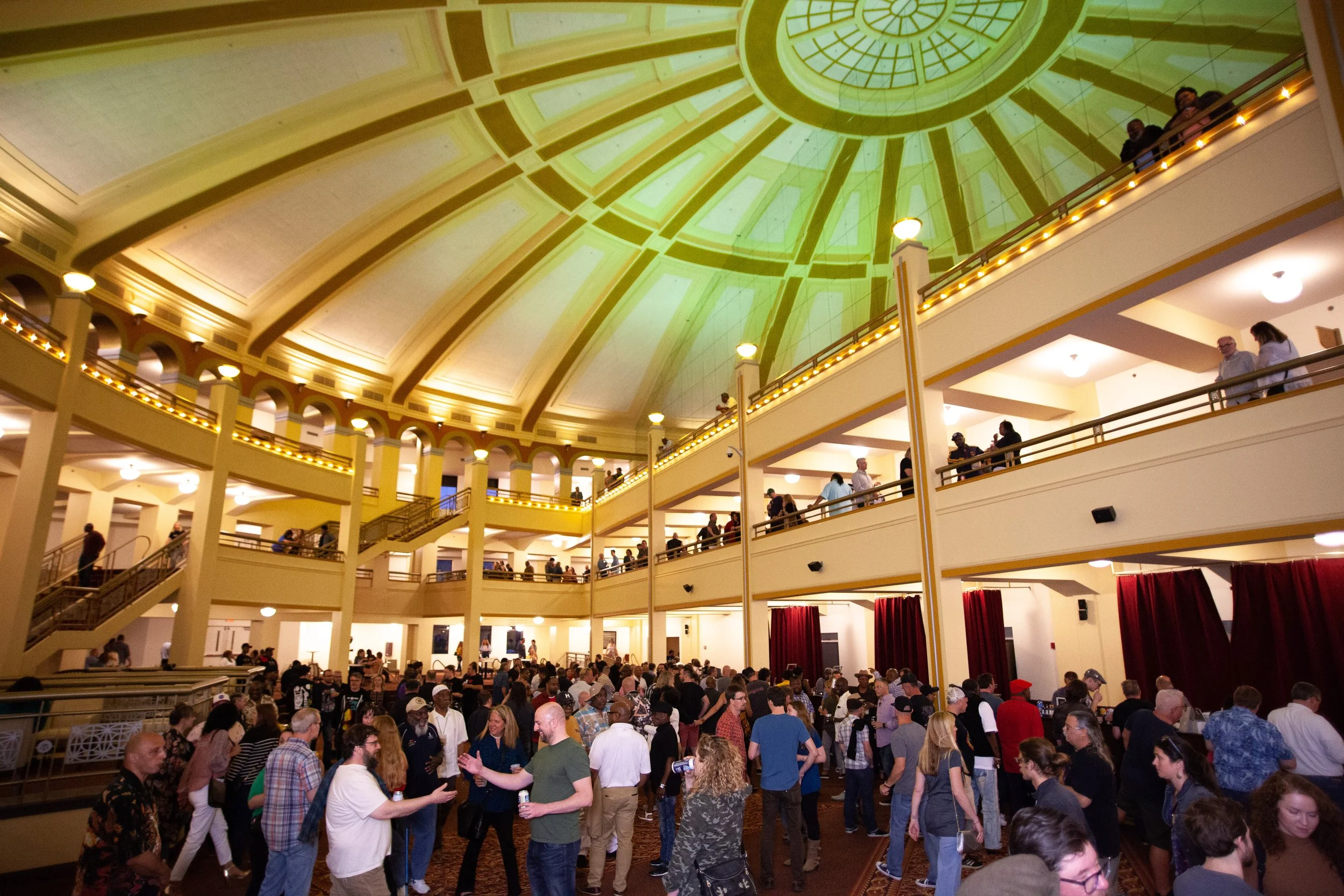
Great conference photography isn’t just wide shots of packed rooms and stage lighting. It’s also:
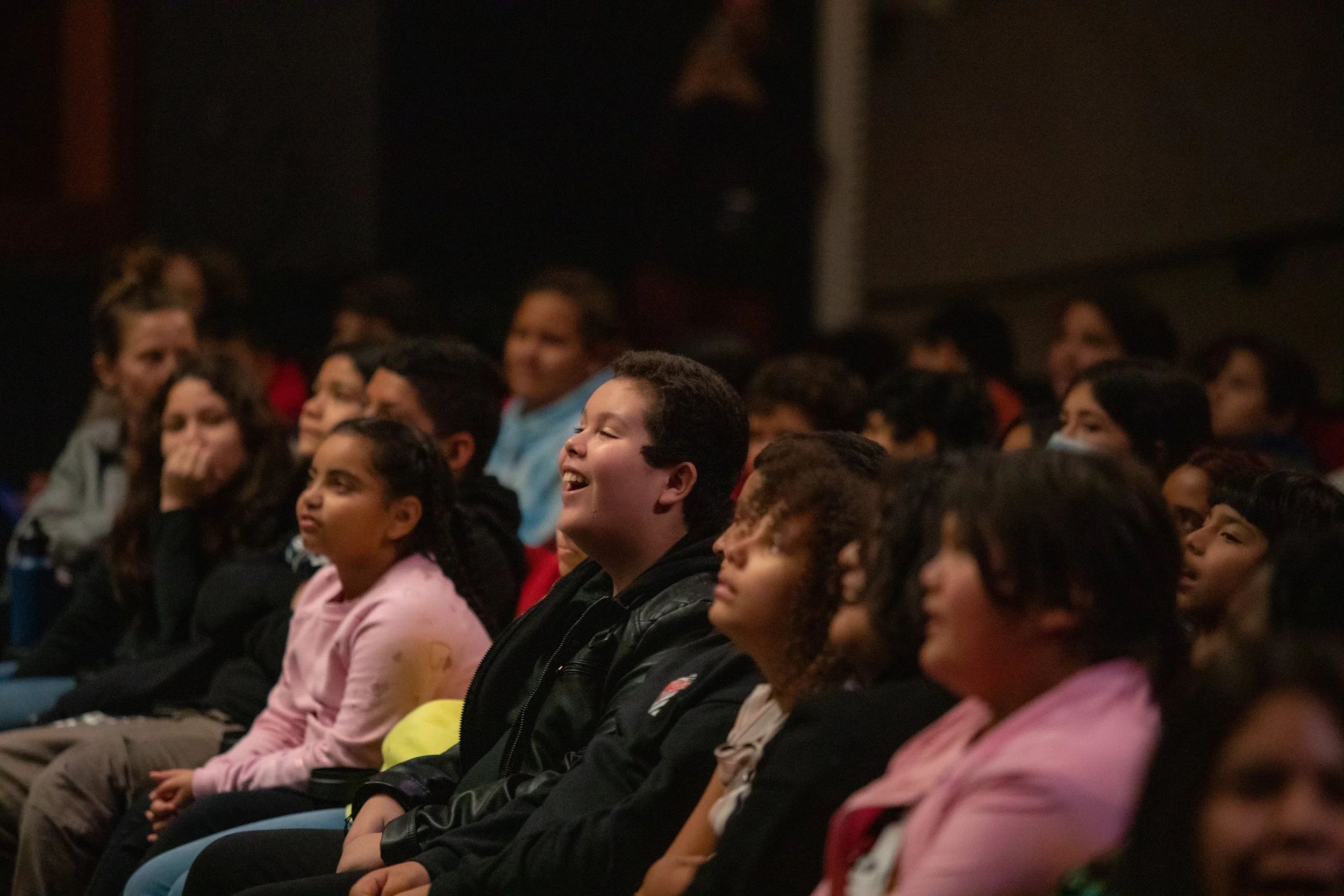
Genuine reactions in the audience
Meaningful conversations at sponsor booths
Quiet moments behind the scenes
These are the images that make future attendees think, “I want to be there.”
When reviewing portfolios, don’t just look for technical quality. Look for emotion, connection, and moments that feel real.
4. Make Sure They Understand Branding
Your conference has a visual identity. Colors, tone, values, and energy.
A professional conference photographer should be asking questions like:
What’s your brand personality?
Are there sponsors that need specific coverage?
Are there visual guidelines we should follow?
This ensures your photos feel like a natural extension of your website, marketing materials, and social presence instead of a random collection of images.
Pro tip: Share your website and past marketing materials with your photographer before the event. It helps them shoot with your brand in mind.
5. Ask About Logistics (This Is Where Experience Really Shows)
Behind every smooth conference gallery is a lot of quiet planning.
Topics to cover:
How they handle multi-room coverage
Whether they recommend a second photographer
Their approach to tight timelines
Backup gear and file storage
A seasoned event photographer will already be thinking about things like power access, lighting challenges, and how to move through crowded spaces without disrupting the experience.
If they talk about problem-solving more than equipment, you’re in good hands.
6. Clarify Usage Rights Up Front
This part gets overlooked, and it shouldn’t.
Ask:
Where can we use these images? Website, social, ads, press, internal materials?
Are sponsors allowed to use them?
Is there a time limit on usage?
Clear usage rights protect both you and your photographer and make sure you can fully leverage your investment.
7. Timeline Support Is a Hidden Superpower
A strong conference photographer doesn’t just follow your schedule. They help refine it.
They can:
Flag moments that need more breathing room
Suggest ideal times for group photos
Help plan coverage around key sessions and sponsor highlights
This kind of collaboration makes the day feel less rushed and the final gallery more complete.
8. Don’t Choose on Price Alone
Budget matters. Always.
But remember what these photos represent:
Next year’s marketing campaign
Sponsor outreach
Press features
Website content
Social media for months to come
When you view photography as a long-term asset instead of a line item, the conversation changes. The right photographer often saves you time, stress, and reshoots down the road.
9. Ask How They Deliver (And How Fast)
Turnaround time and delivery format make a big difference in how useful your images are.
Good questions include:
How soon can we expect a preview gallery?
Will images be optimized for web and print?
How will files be organized?
A clean, well-labeled gallery can make your marketing team’s life much easier.
10. Trust the Human Factor
At the end of the day, your photographer will be moving through your space, interacting with your speakers, sponsors, and attendees.
You want someone who feels like part of the team. Calm under pressure. Friendly without being intrusive. Professional without being stiff.
That energy shows up in your photos more than you might think.
A Simple Conference Photographer Checklist
Before you book, make sure you can say “yes” to these:
They have real conference experience
They understand your brand and goals
They communicate clearly and proactively
They offer clear usage rights
They feel like someone you trust in the room
Final Thoughts from a Milwaukee Event Photographer
Conference planning is about creating an experience people want to return to.
Photography is how that experience lives on.
When you choose a photographer who cares about your people, your message, and your long-term goals, you’re not just booking coverage for a day. You’re investing in how your conference is remembered.
If you’re planning a conference or corporate event in Milwaukee or the Midwest and want photography that feels human, strategic, and genuinely connected to your brand, I’d love to start that conversation.